
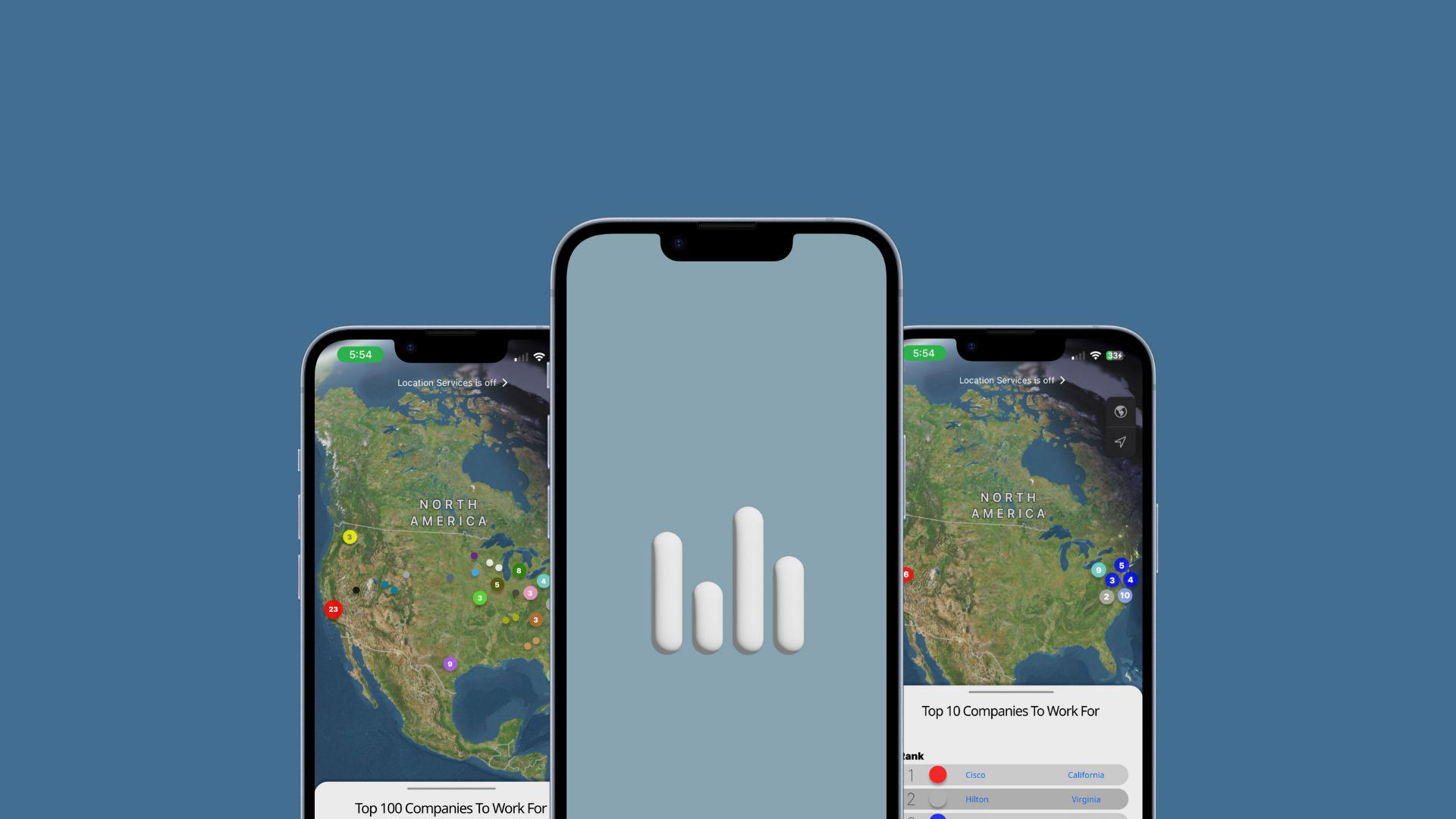
Discover excellence in finding the best company to work for that fits your personal needs. JobTop100, the ultimate app that brings you a curated list of the most exceptional companies worldwide.
RESPONSIVE DIMENSIONS
January 2024 - February 2024
In this 65 hour design challenge, I undertook a UX design project focused on curating a new innovative way to search for a job. This case study unfolds the narrative of research, design, and testing to address the unmet need for a higher quality path to the best fit company depending on the user's wants and needs.
.Overview
The Challenge
To design an innovative and interactive job search platform that redefines how users find and apply for jobs. Traditional job search platforms often present a static and linear experience, which can be time-consuming and overwhelming for users. The goal is to create a more engaging, intuitive, and efficient process that leverages modern technologies and design principles to enhance user satisfaction and success rates.
The Goal
To develop a job search platform that transforms the way users interact with companies. This involves creating a seamless, engaging, and personalized user experience that simplifies the job search process, increase user satisfaction, and improves the success rate of employer-to-employee matchmaking.
My Role
User Research, Visual Design, Information Architecture, UX/UI Design, Prototyping, Usability Testing.
Tools Used
Figma, Photoshop, Illustrator, Chatgpt
.Process
Research
Information Architecture
Wireframe
Prototype
Test
Iterate
.Research
Ramp Up
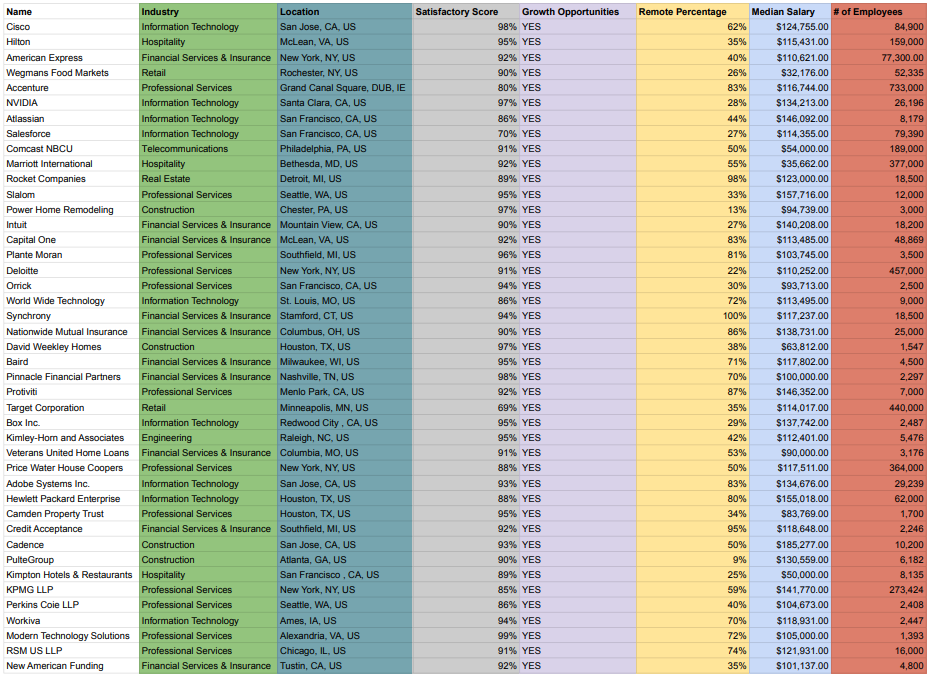
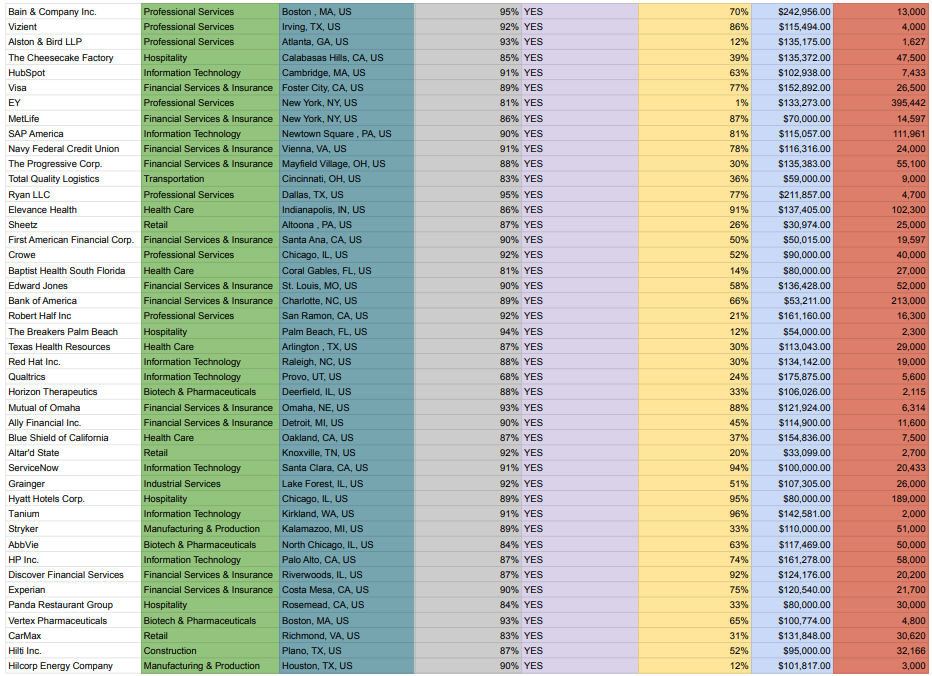
Before I dove into any research, I needed to first understand more about how the job market works & look who the target users would be. I started this with an excel sheet comparing the top 100 companies to work for and what they have to offer.
User Interviews & Surveys
Engaging in intimate conversations with users, I uncovered a demand in interactivity & user-friendly interfaces.
Research questions asked:
• How important is a simple and intuitive interface to you?
• What information should be considered to provide relevant job recommendations?
• What search filters (e.g., location, salary, industry) are crucial for you?
Valuable insights included:
• High demand for a user-friendly interface.
• Users (especially newer generations) enjoy simplicity & interactivity.
• Interest in certain filters like remote work, salaries, and location.
.Focus
I started planning & focusing on the parameters of the new app.
Research questions asked:
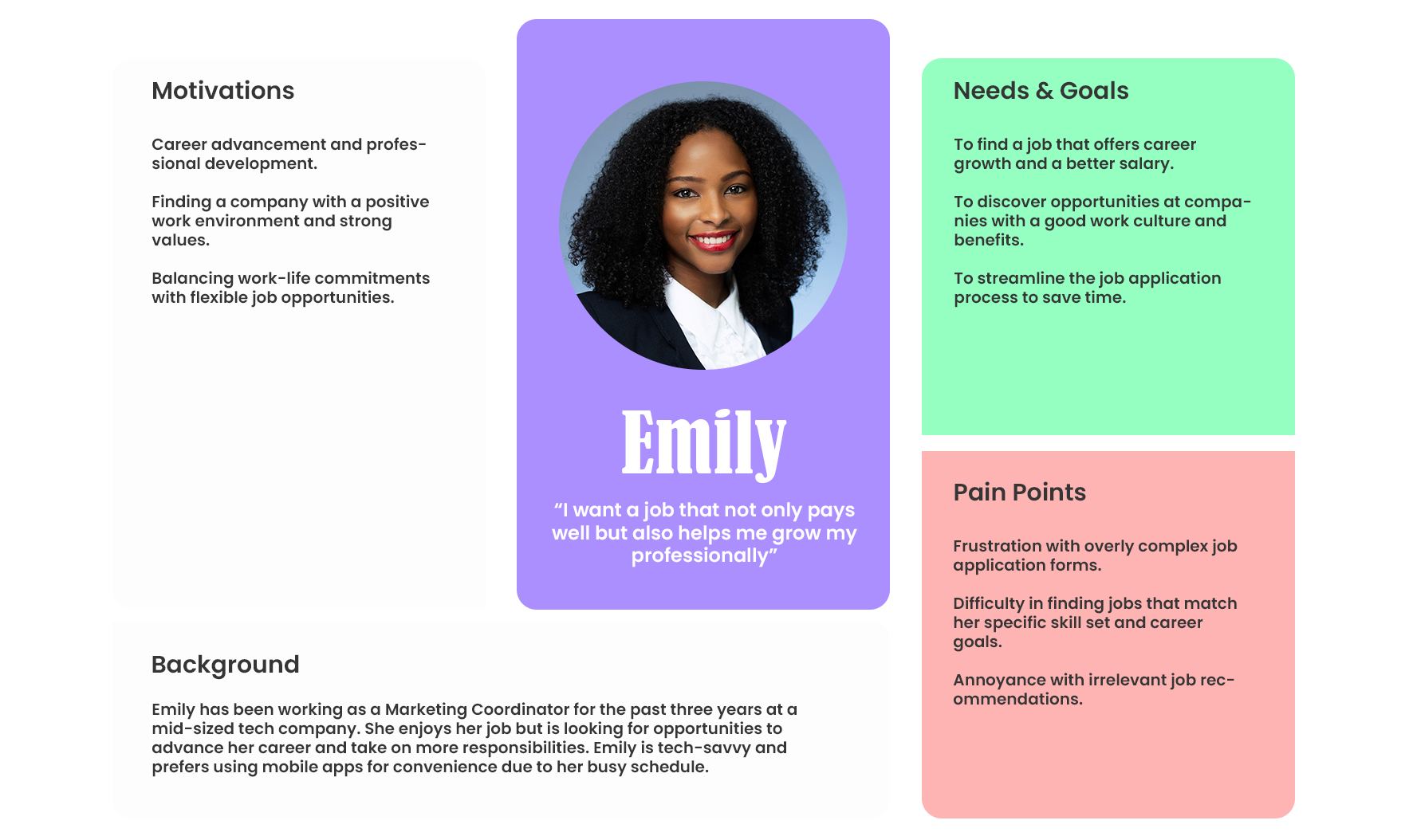
• Created a user persona (Emily) based on research findings.
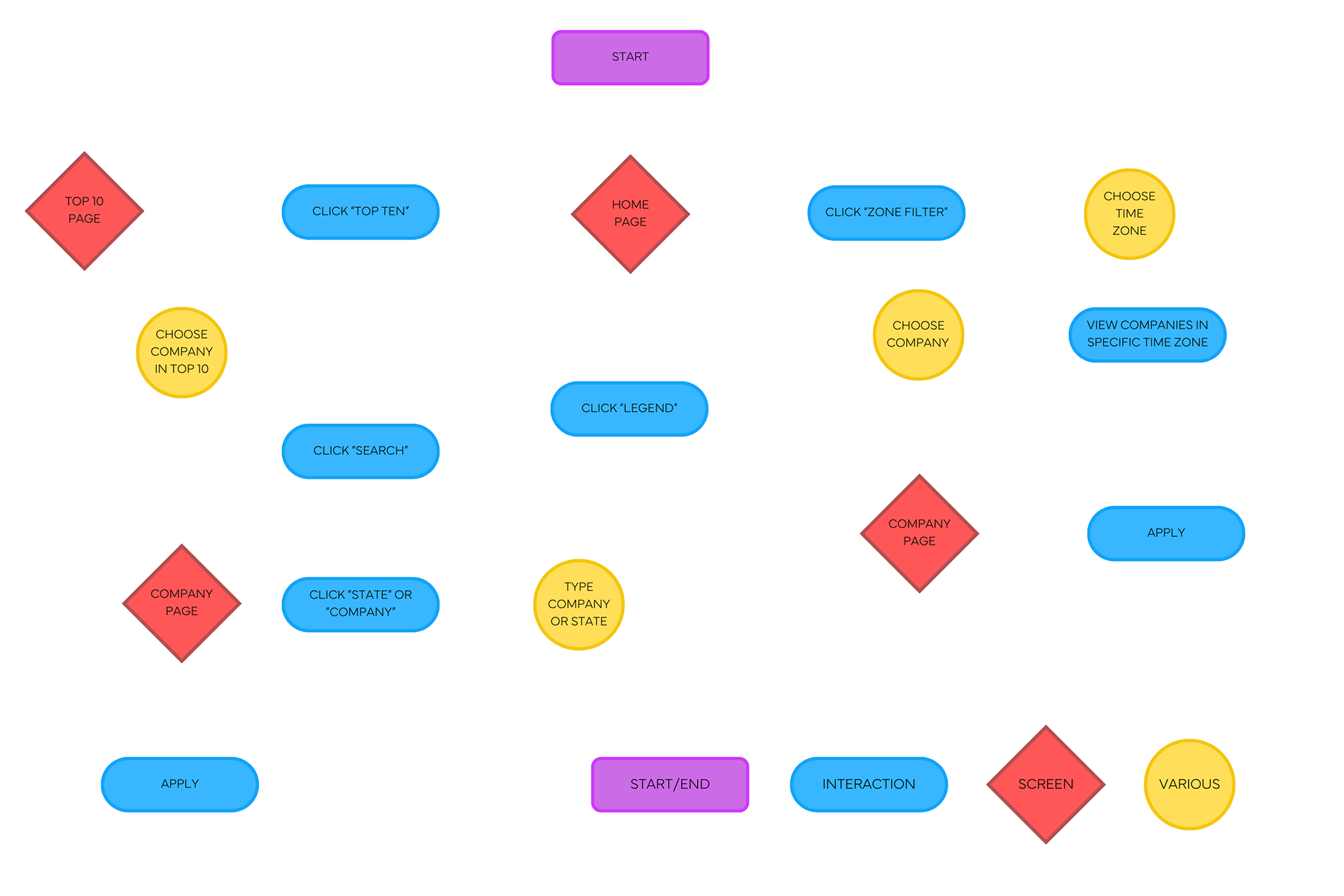
• Developed a product user flow, providing a clear path through the product for users.
Emily, a 25-year-old marketing coordinator in Dallas, became the "guinea pig" for the design decisions.
.Design
Wireframes
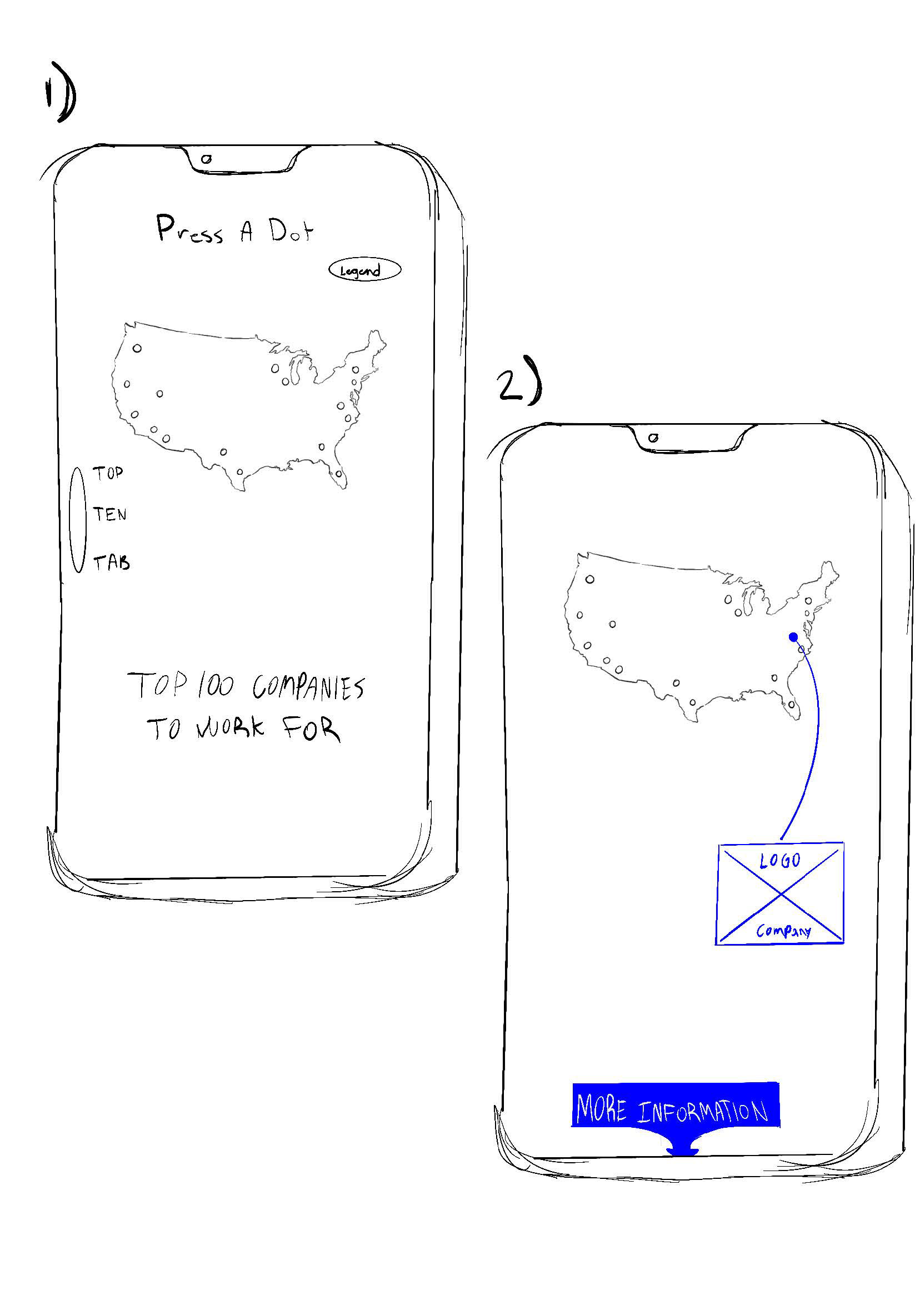
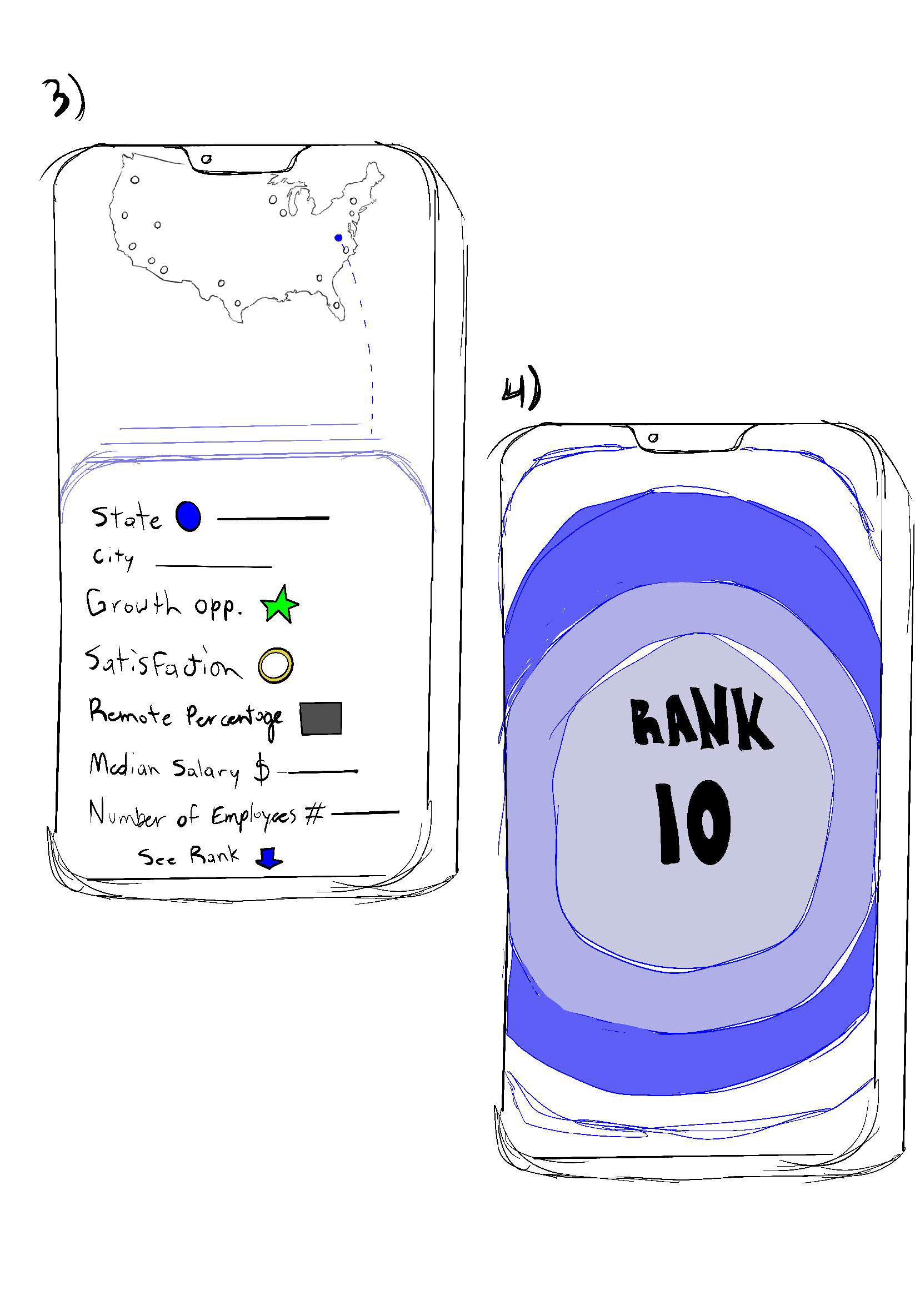
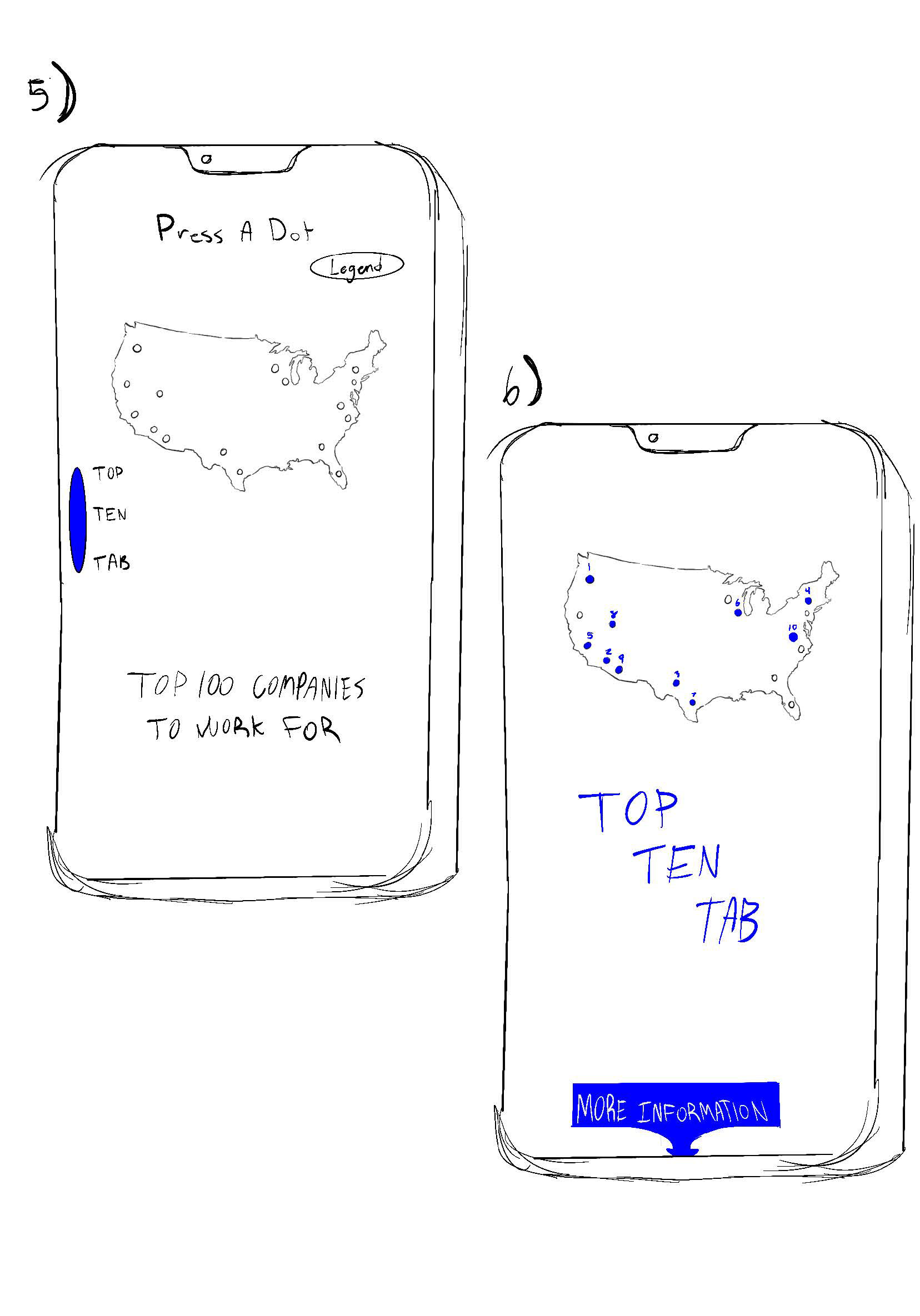
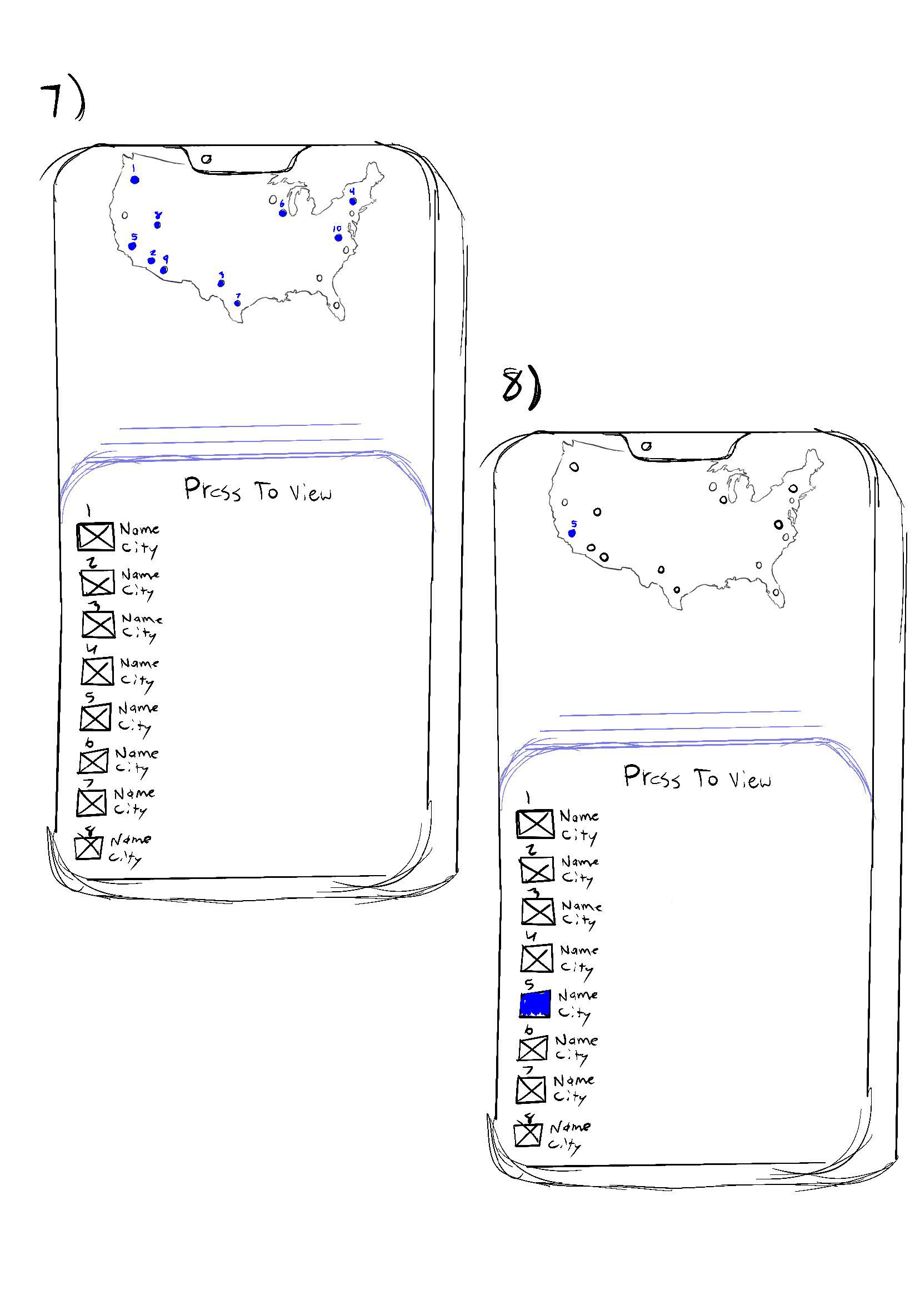
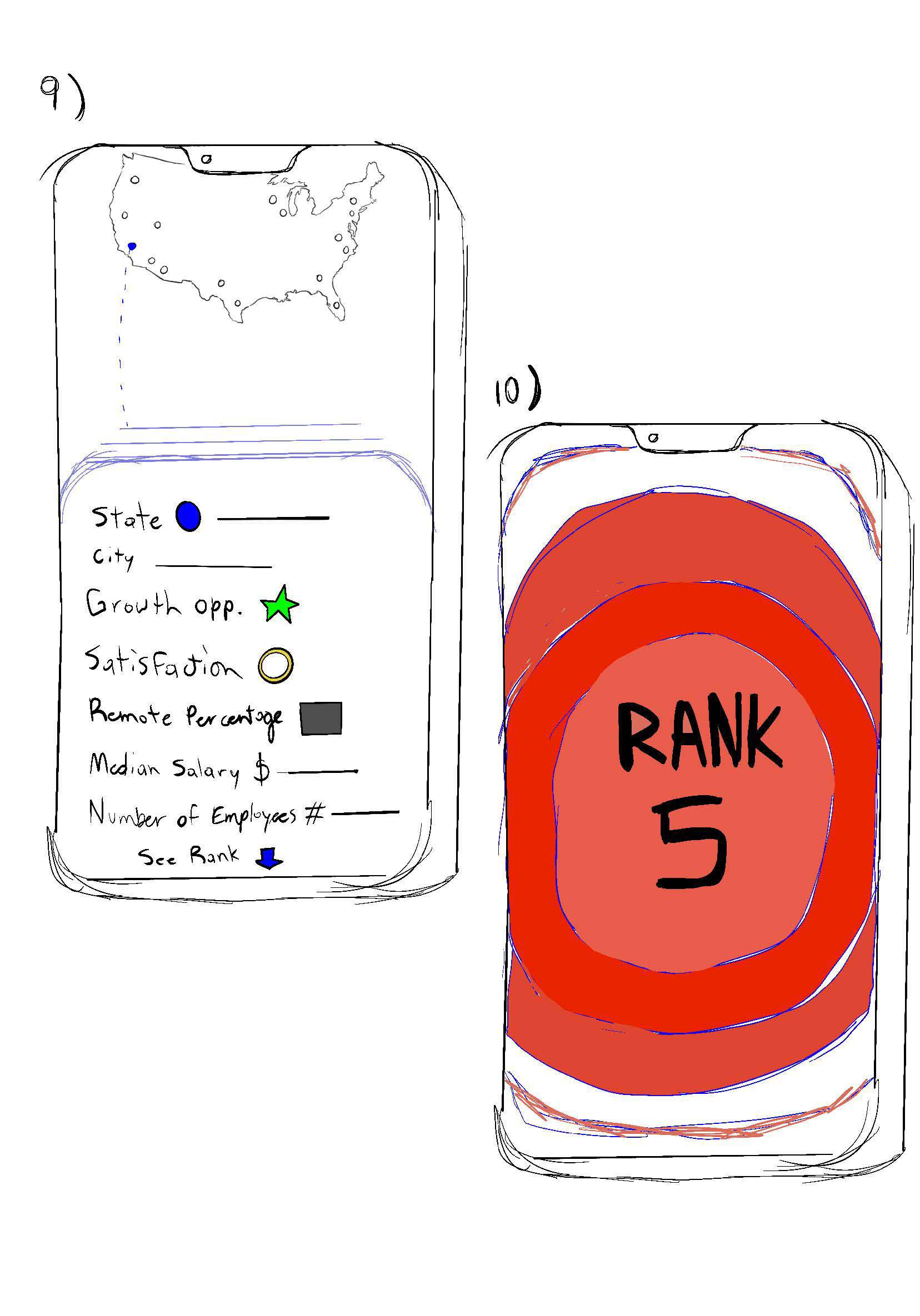
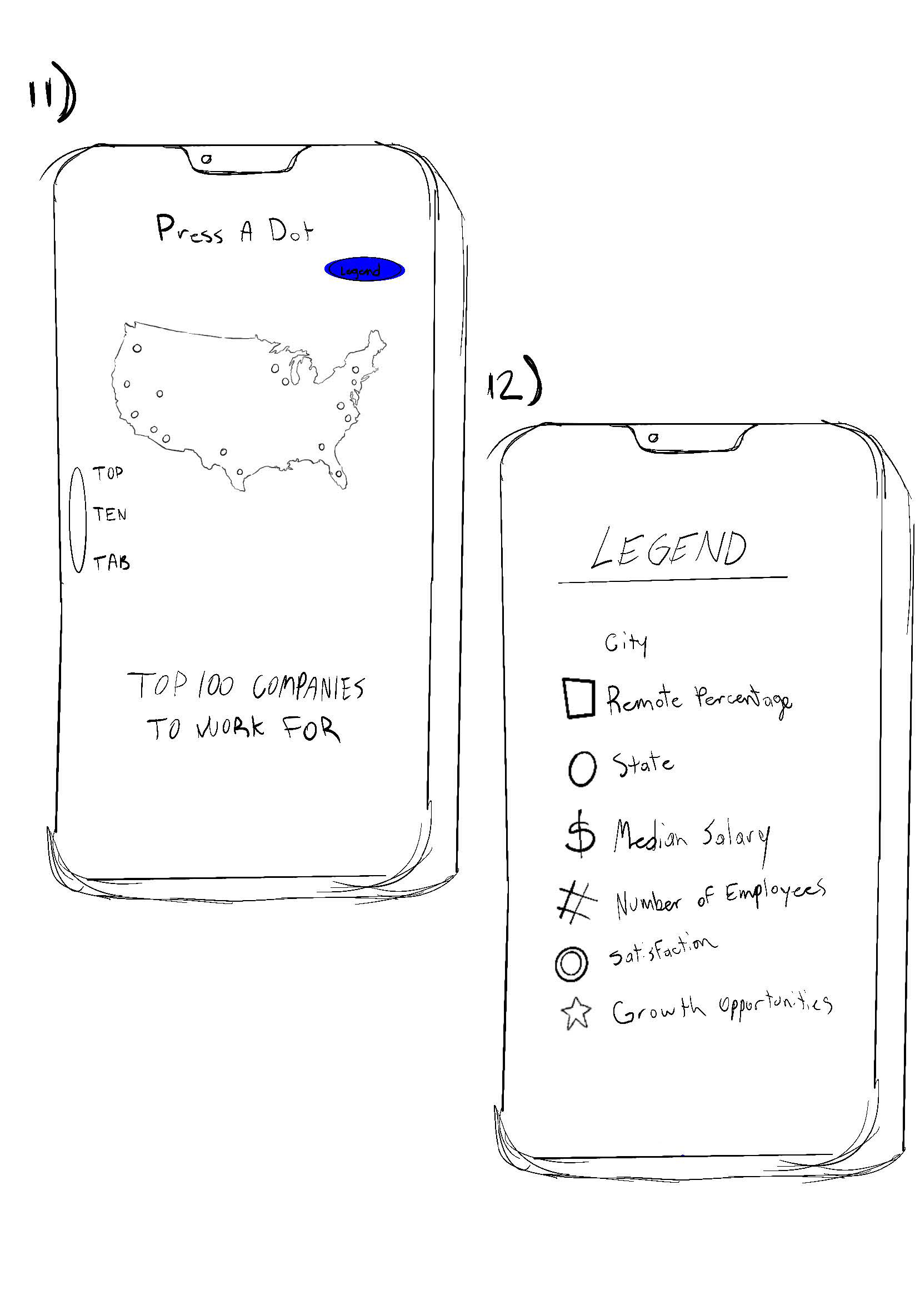
The wireframing phase resulted in many ideas, but the challenge laid in translating sketches into digital reality. High-fidelity wireframes underwent rigorous iterations, aligning with the application's guidelines.
• Explored various low-fidelity wireframes and iterated based on feedback.
• Aligned Created an organic brand while also ensuring consistency with the guide.
.Test
Prototype
I made an interactive prototype, offering a glimpse into the user experience. Prototyping posed challenges, particularly in navigating the many companies and finding solutions to making companies in close-proximity still be readable & interacted with.
INTERACTIVE REPRESENTATION
.Final Designs
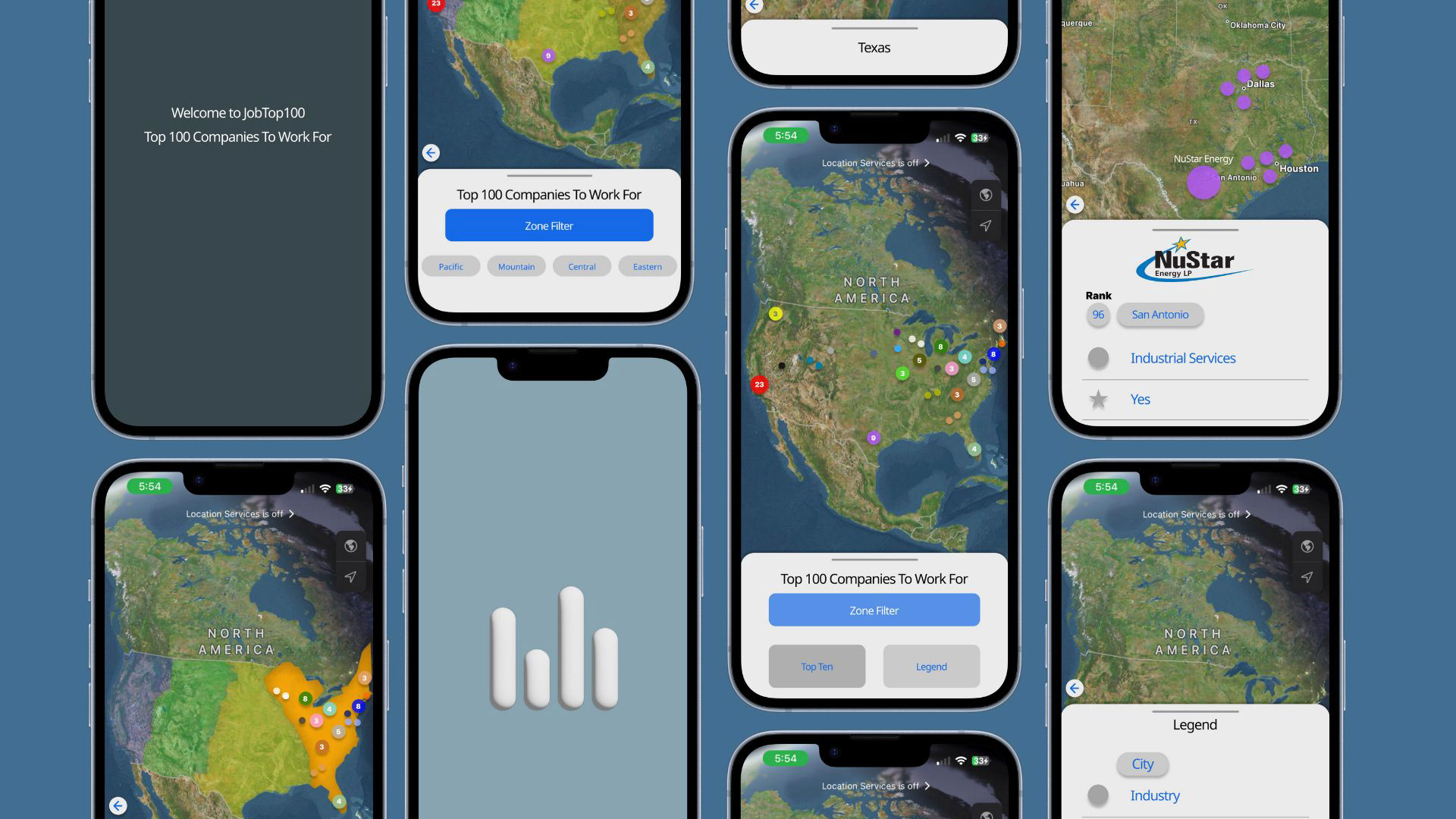
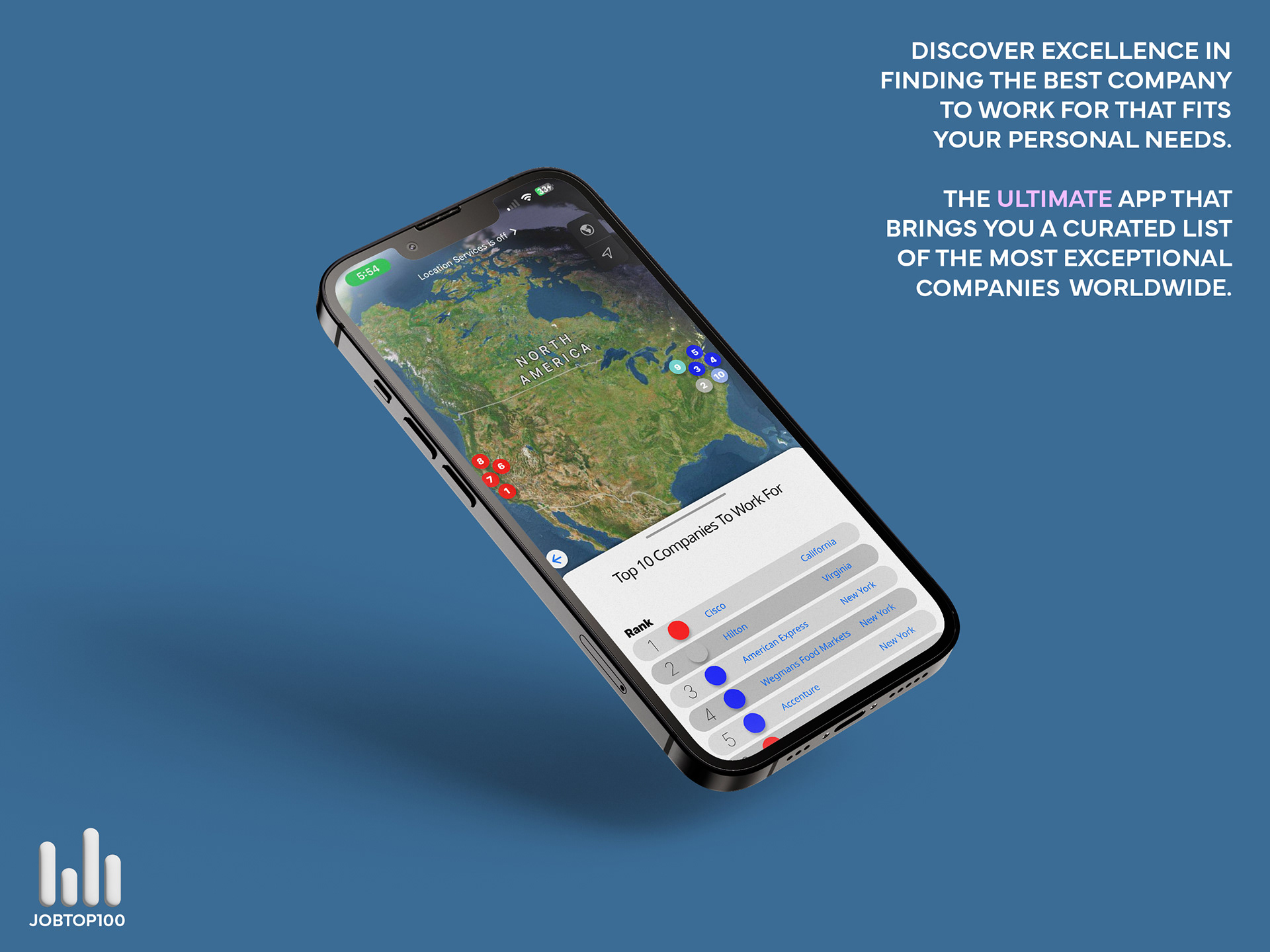
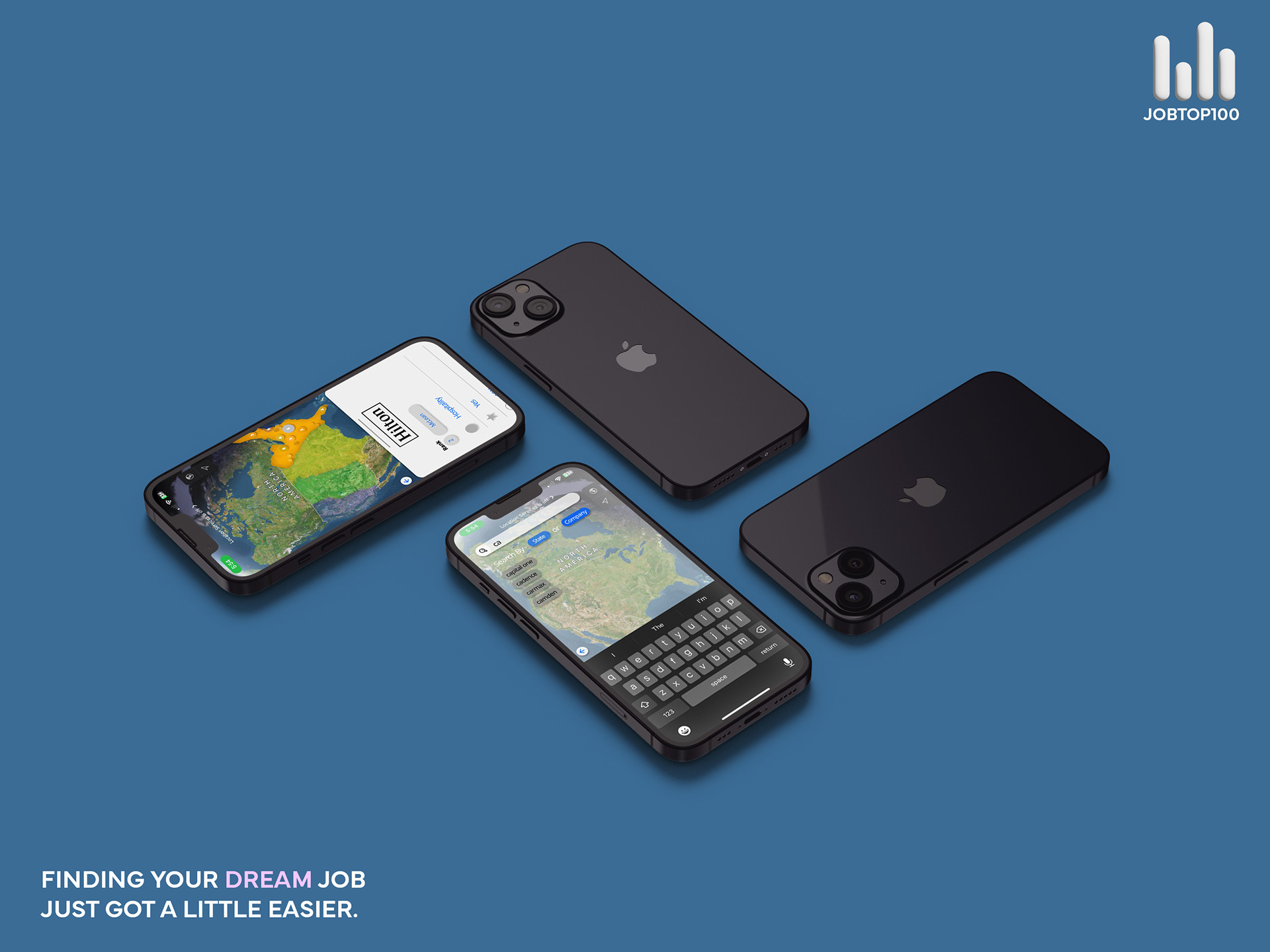
Here is a final iteration of JobTop100, the app that brings you a curated list of the most exceptional companies to work for.
.Reflection
Next Steps For This Project
• Develop a more fully functional prototype for more realistic testing scenarios.
• Conduct in-person usability tests with more complex tasks to simulate real-world scenarios.
Challenges Faced
• Iterations in high-fidelity wireframes demanded more time than anticipated.
• Prototyping complexities.
• User experience bugs & responsiveness
What I learned
• Gained insight into different industries.
• Reinforced the importance of research in guiding effective design solutions
• Color theory
Conclusion
This project transformed my perspective from a biased advocate for change to a user-centric designer. It underlined the critical role of research in shaping design solutions and challenged my prototyping capabilities. Moving forward, the experience gained will undoubtedly influence my approach to future projects.
Thank you for exploring this case study!